Erasmus+ Project
Voices Without Borders: Youth Participation for Inclusive Democracy
Finnish Human Rights Advocates Ry (FHRA) is implementing the Erasmus+ Youth Participation project “Voices Without Borders: Youth Participation for Inclusive Democracy” under the Erasmus+ programme.
The project focuses on strengthening youth participation, intercultural dialogue, inclusion, and democratic engagement among multilingual and diverse young people in Finland. Through workshops, educational activities, discussions, digital participation tools, and community-based learning, the project supports young people in becoming more active participants in society and public life.
The project promotes:
youth participation and civic engagement,
intercultural learning and dialogue,
inclusion and equal opportunities,
digital participation and media literacy,
democratic values and community cooperation.
The project especially supports multilingual youth, international students, migrant-background young people, and participants with fewer opportunities by creating safe and inclusive spaces for participation and learning.
Project Period: 2026–2027


Volunteer and Internship Learning Programme
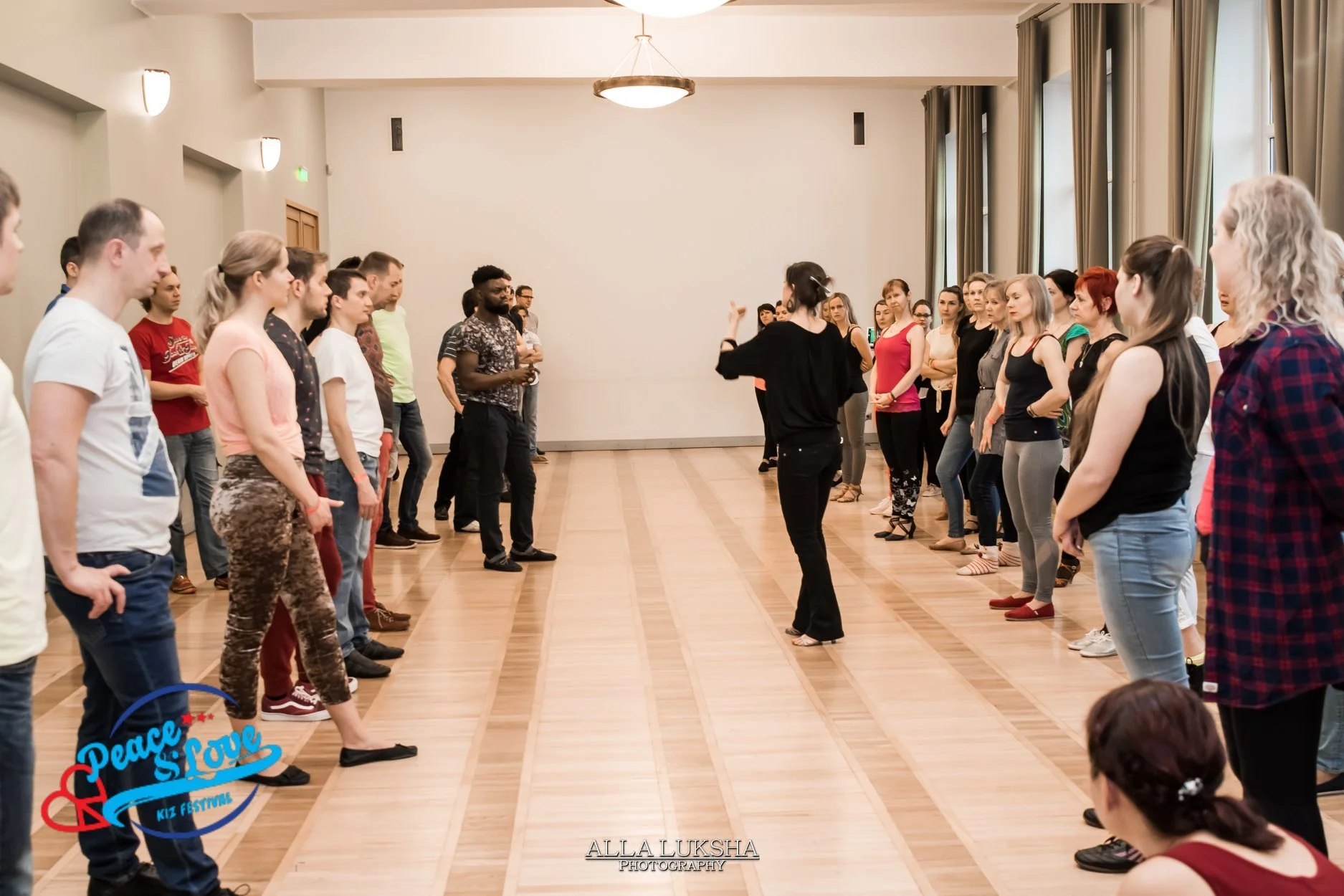
.FHRA runs an active volunteer and internship programme that supports students, young professionals, and community members from diverse educational and cultural backgrounds.
The programme provides practical learning opportunities in areas such as:
human rights,
social services,
communications and media,
international relations,
business administration,
law and advocacy,
arts and cultural activities,
community engagement.
Participants receive mentoring, practical responsibilities, teamwork opportunities, and non-formal learning experiences in a multicultural and inclusive environment.
The programme aims to strengthen:
employability and work experience,
digital and communication skills,
teamwork and leadership,
social inclusion and participation,
intercultural understanding and cooperation.
FHRA works together with volunteers and interns from different backgrounds and supports practical learning through real community activities and projects.
Culture, Arts and Intercultural Community Project
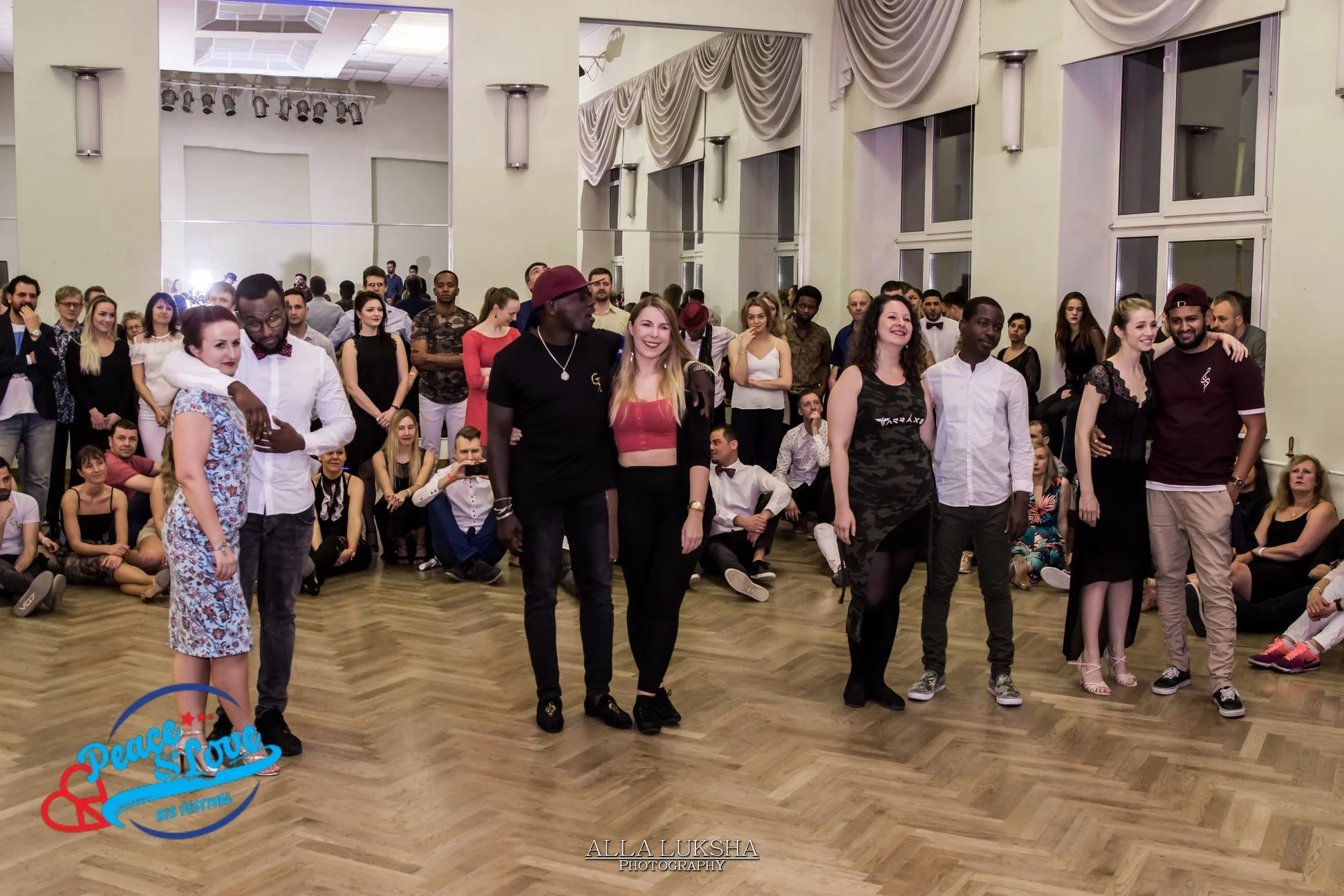
FHRA organises cultural, artistic, and community-based activities that promote intercultural dialogue, inclusion, wellbeing, and community participation through arts and cultural exchange.
The project supports artists, musicians, dancers, performers, volunteers, and multicultural communities by creating safe and inclusive spaces where people from different backgrounds can meet, learn, and participate together.
Activities may include:
multicultural cultural nights and community events,
live music and band performances,
dance workshops and artistic activities,
intercultural festivals and themed evenings,
community discussions and networking events,
youth cultural participation activities,
creative workshops and non-formal learning activities.
The project promotes:
intercultural understanding,
inclusion and community participation,
support for local and international artists,
wellbeing through arts and culture,
anti-discrimination and social connection,
peaceful dialogue between communities.
FHRA believes that arts and culture play an important role in strengthening social inclusion, reducing isolation, supporting mental wellbeing, and building positive community relationships between people from different cultural and social backgrounds.
The project also supports emerging artists and multicultural talents by providing opportunities for visibility, networking, participation, and community engagement through cultural activities and collaborative events.
Civil Society Documentation and Accountability Cooperation Project
FHRA participates in civil society documentation, legal research, accountability cooperation, and international human rights initiatives connected to international humanitarian law and human rights protection.
The project focuses on:
strengthening civil society documentation capacity,
legal and human rights research,
international cooperation and networking,
documentation methodologies and reporting,
accountability and rule-of-law awareness,
cooperation with civil society actors and international mechanisms.
Activities may include:
documentation and monitoring activities,
legal and policy research,
educational discussions and workshops,
cooperation with partner organisations,
awareness and reporting initiatives.
The work is carried out in accordance with international human rights principles, peaceful civic participation, accountability standards, and documentation ethics.
Human Rights Watch and Legal Support Activities
FHRA carries out community-based human rights monitoring, legal support, documentation, and advocacy activities related to discrimination, access to services, equality, and protection of fundamental rights.
The project focuses on:
monitoring human rights concerns affecting vulnerable communities,
strengthening access to information and support,
promoting accountability and transparency,
supporting community reporting and documentation,
increasing awareness regarding legal rights and public services.
FHRA also provides:
legal guidance and consultations,
support in communication with authorities,
referrals to legal professionals when needed,
assistance with documentation and complaint processes,
and support for peaceful legal and administrative actions connected to human rights and equality matters.
As part of its human rights monitoring activities, FHRA follows and documents concerns related to possible discrimination, unequal treatment, abuse of authority, barriers to services, and actions affecting fundamental rights. This may include concerns related to public authorities, police actions, municipalities, administrative practices, or public policies where there are concerns regarding equality, discrimination, or compliance with human rights and rule-of-law principles.
FHRA works through peaceful, legal, and rights-based methods including:
legal reporting,
advocacy,
documentation,
public awareness,
dialogue with authorities,
and cooperation with legal and civil society actors.
In 2026, FHRA also started official cooperation and engagement with United Nations human rights mechanisms by preparing and contributing civil society reporting related to discrimination, equality, and human rights concerns. The organisation continues to strengthen documentation, accountability, and international cooperation through peaceful civic participation and legal human rights work.
The organisation works together with volunteers, students, legal professionals, and community members to strengthen rights awareness, civic participation, access to justice, and equal treatment in society.
Health and Wellbeing Support Project
FHRA carries out community-based wellbeing and inclusion activities focused on supporting vulnerable and multilingual residents through low-threshold guidance, peer support, and social inclusion activities.
The project supports individuals facing social challenges, isolation, stress, discrimination, and difficulties accessing services. The aim is to strengthen wellbeing, inclusion, dignity, and equal access to support regardless of language, nationality, or background.
Activities may include:
wellbeing workshops,
peer support meetings,
community discussions,
guidance related to social and public services,
support in accessing healthcare and wellbeing services,
referral support when needed.
The project promotes safe community participation, mental wellbeing, social support, and equal access to information and assistance.
Start 2024-2030
Human Rights and Anti-Discrimination Project
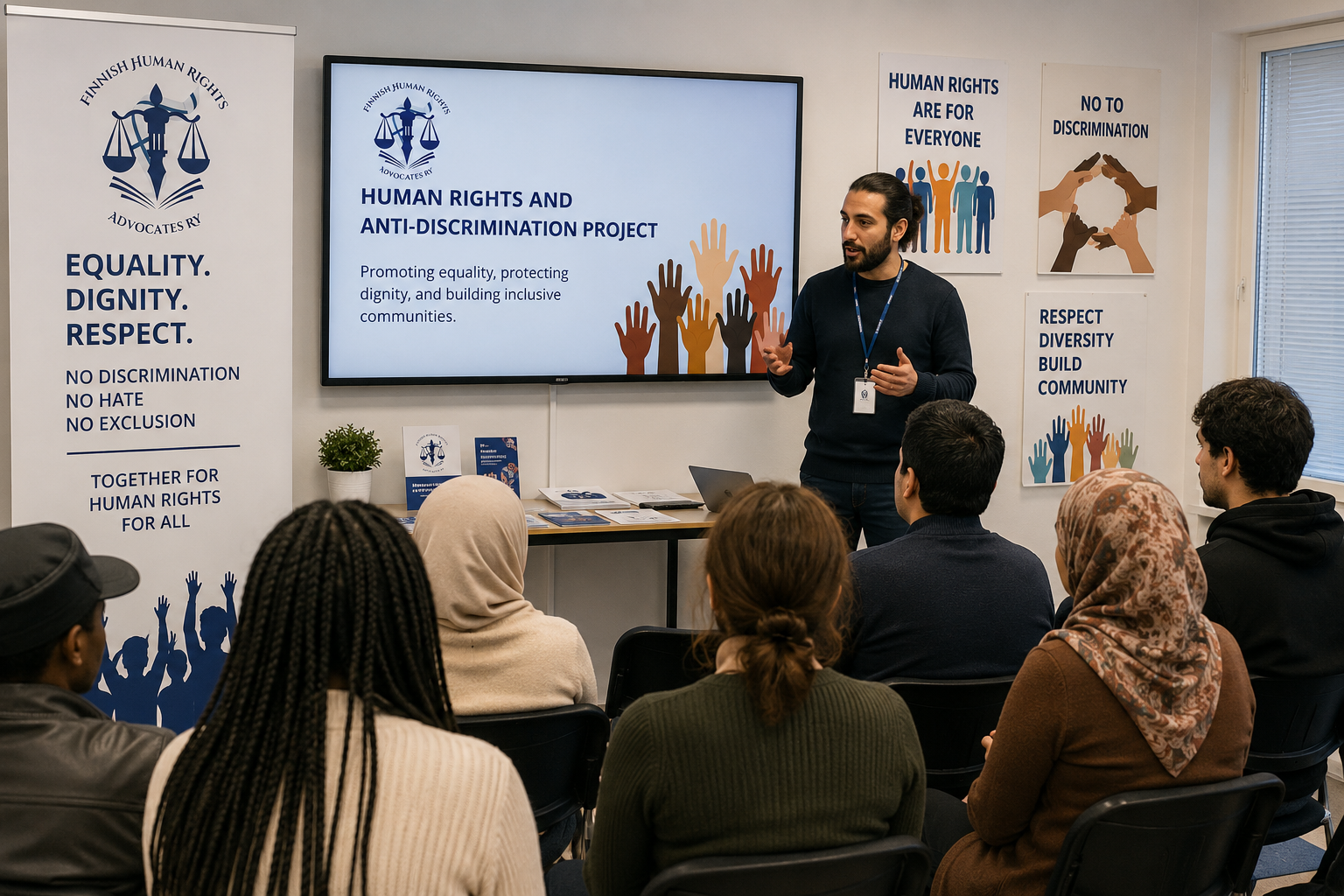
FHRA works to promote equality, inclusion, dignity, and protection against discrimination through education, advocacy, awareness-raising, and community support activities.
The project focuses on:
anti-discrimination awareness,
equal participation and inclusion,
human rights education,
support for vulnerable communities,
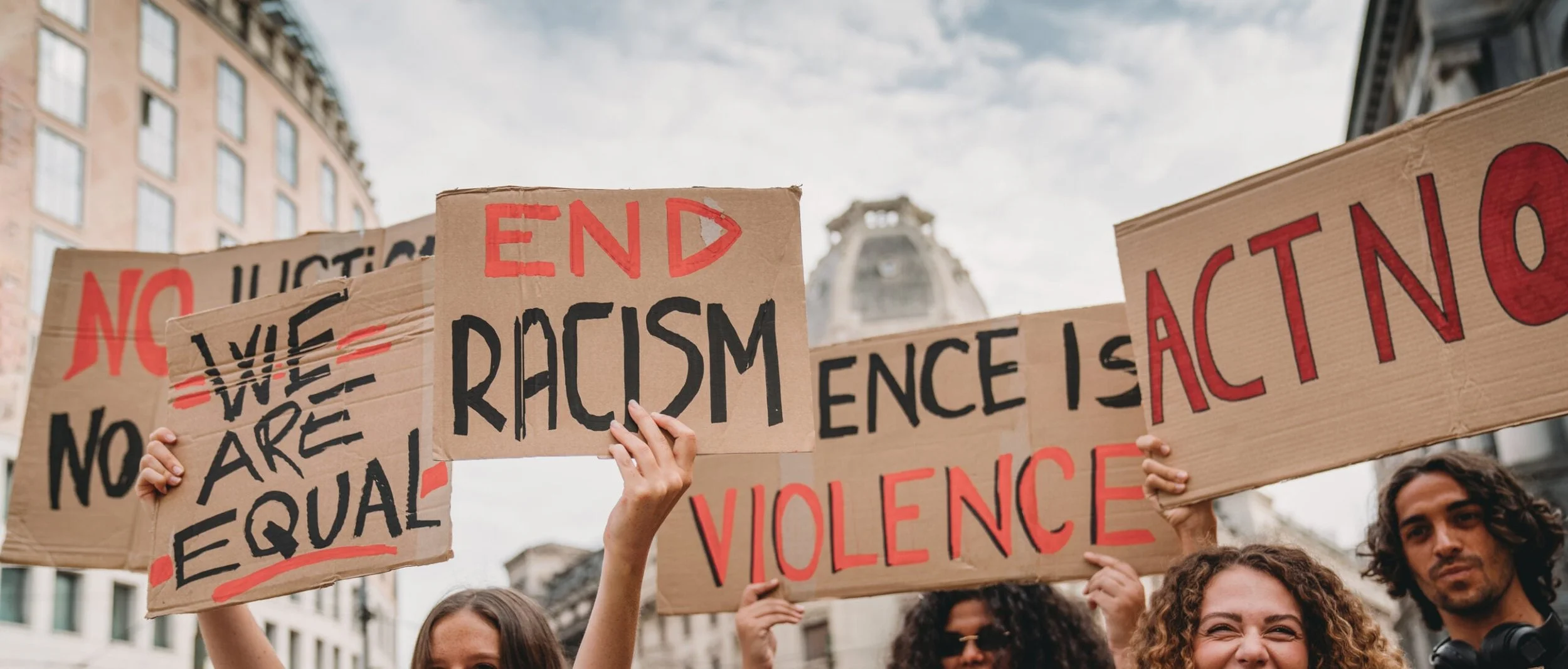
awareness regarding racism and social exclusion,
community dialogue and cooperation.
The project supports multilingual and multicultural communities and promotes equal opportunities in education, participation, work, and everyday life.
FHRA also works to strengthen awareness regarding:
racism,
discrimination,
unequal treatment,
hate speech,
and barriers affecting vulnerable groups,
through peaceful, legal, educational, and rights-based approaches.